The One Cross Stitch Rule Beginners Should Almost Never Break
Cross stitch is one of those crafts that looks incredibly simple—and, in many ways, it is. You make a series of Xs on fabric, follow a chart, and eventually those little stitches turn into a picture.
But there’s one small detail that can make a surprisingly big difference in how your finished project looks:
Cross your stitches in the same direction.
It sounds almost too simple to matter. It matters a lot.
What Does “The Same Direction” Mean?
Every full cross stitch is made from two diagonal stitches. It doesn’t really matter which direction you choose for the first half of your X.
For example, you can make every bottom stitch like this:
/
and cross over it like this:
\
Or you can do the opposite.
What matters is that you’re consistent.
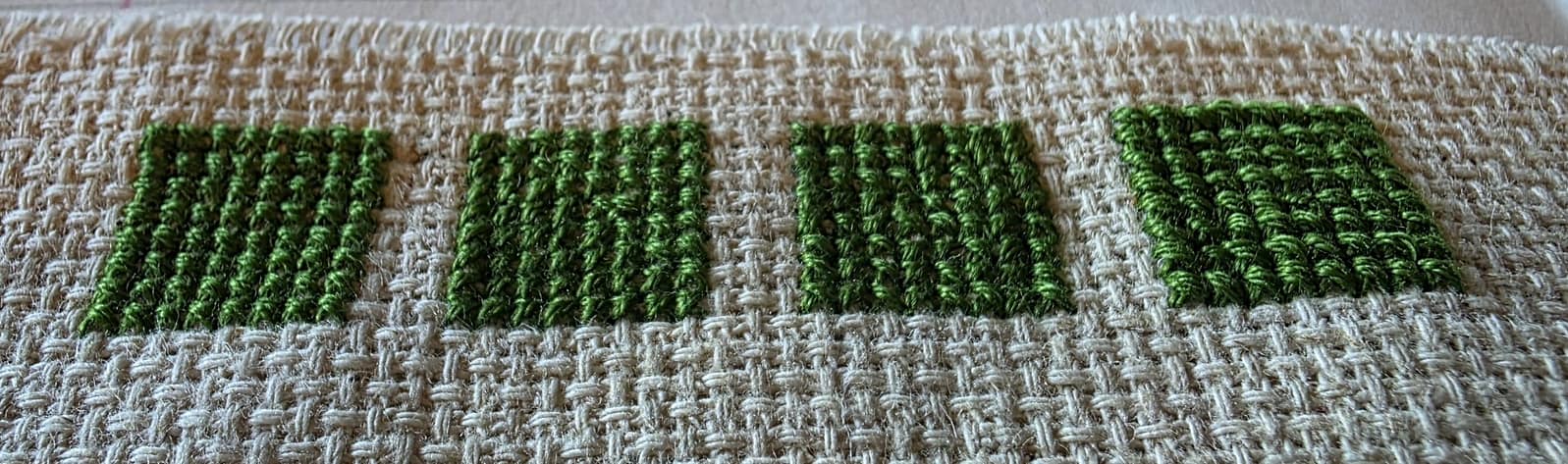
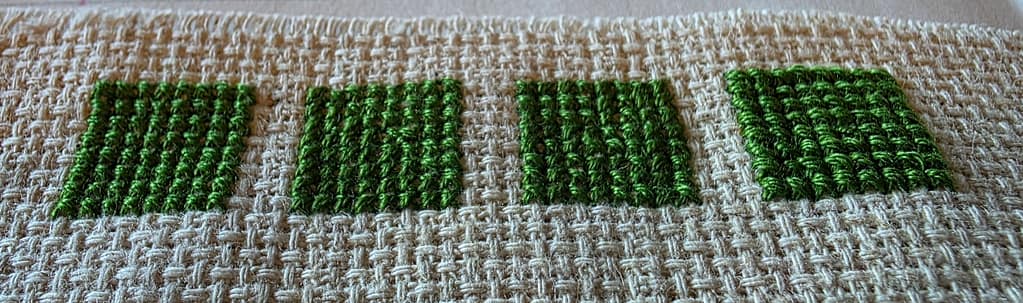
If the top thread of one X runs one direction and the top thread of the next X runs the opposite direction, the stitches catch the light differently. The result can look uneven or messy even when your stitches are otherwise perfectly placed.
When all those top threads travel in the same direction, the surface looks much smoother and more uniform.
It’s a tiny change that can make a beginner’s cross stitch look noticeably better almost immediately.
If You Can’t See the X, Try Fewer Strands
There’s another problem I sometimes see with beginner projects: using so many strands of floss that the individual stitches lose their definition.
More thread isn’t necessarily better coverage.
If your stitches are so thick that you can barely tell which direction the threads are crossing, try stitching with one fewer strand.
You should be able to see the structure of the X.
Exactly how many strands you need depends on your fabric count, the thread you’re using, and the amount of coverage you prefer. There isn’t one perfect number for every project.
But don’t judge coverage only by whether you can see a little fabric between your stitches. Step back and look at the whole piece.
Sometimes slightly less coverage with beautifully defined stitches looks much cleaner than packing more floss into every hole.
Does Every X Always Have to Cross the Same Way?
Almost.
There are times when a designer may deliberately change stitch direction for texture or a particular visual effect. Specialty stitches and other counted-thread techniques can have their own rules as well.
And, of course, it’s your project. There are no cross-stitch police coming to inspect the direction of your Xs.
But if you’re following a standard cross-stitch pattern—especially if you’re a beginner—keeping the top leg of every full cross stitch going in the same direction is an excellent habit to develop.
One Little Rule, a Big Difference
If you’re new to cross stitch and wondering why your project doesn’t look quite as neat as you expected, look closely at your stitches.
Can you clearly see each X? If not, try using one less strand.
Does the top thread of every X travel in the same direction? If not, try to pay attention to the direction you are crossing your stitches.
You may be surprised by how much difference such a small change makes.
Clear, consistent stitches don’t just make individual Xs look better—they make the entire finished piece look better.
Ready to Practice? Try a Free Cross Stitch Pattern!
Want to put those neat, consistent Xs to work?
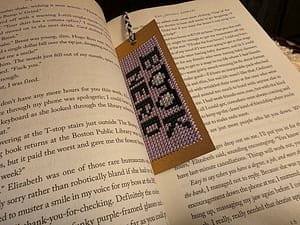
My Cozy Book Nerd Bookmark Pattern (PDF) is a free, beginner-friendly cross-stitch pattern that’s perfect for a little practice. It features a fun design for book lovers, and you’ll end up with a useful bookmark when you’re finished!
No checkout required—just download the printable PDF and start stitching!